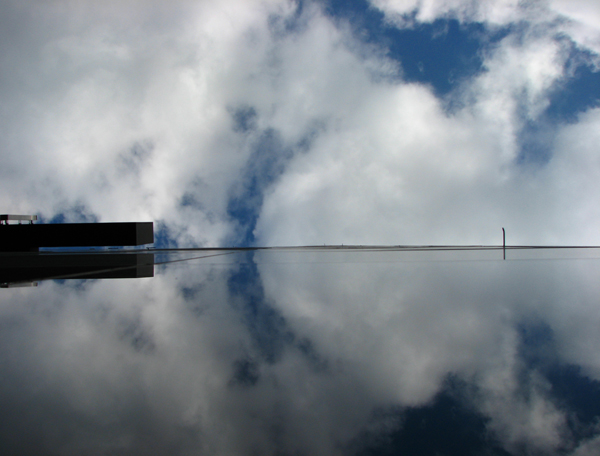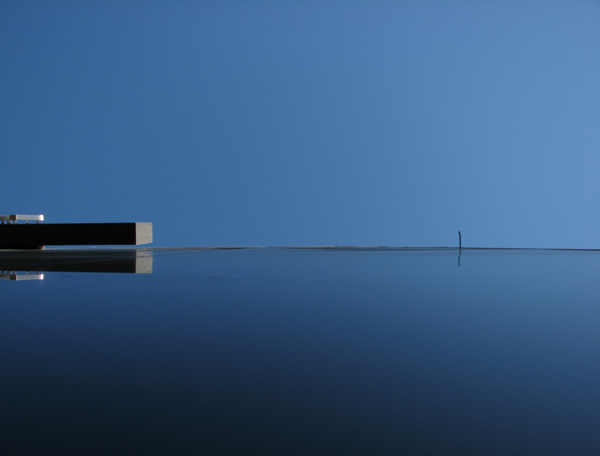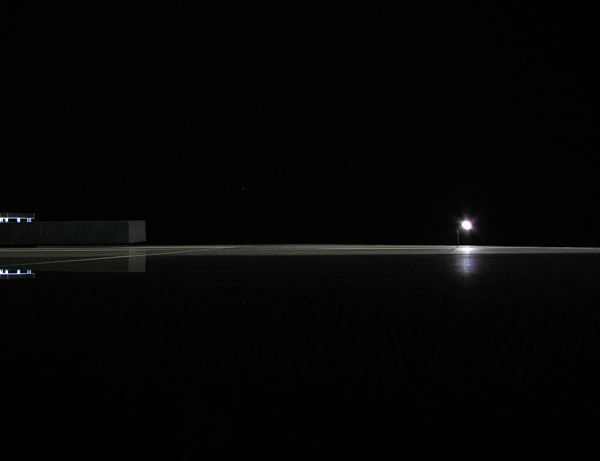











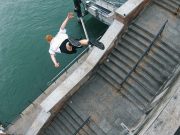


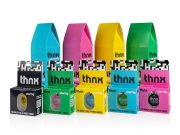







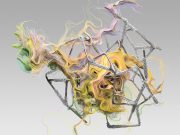

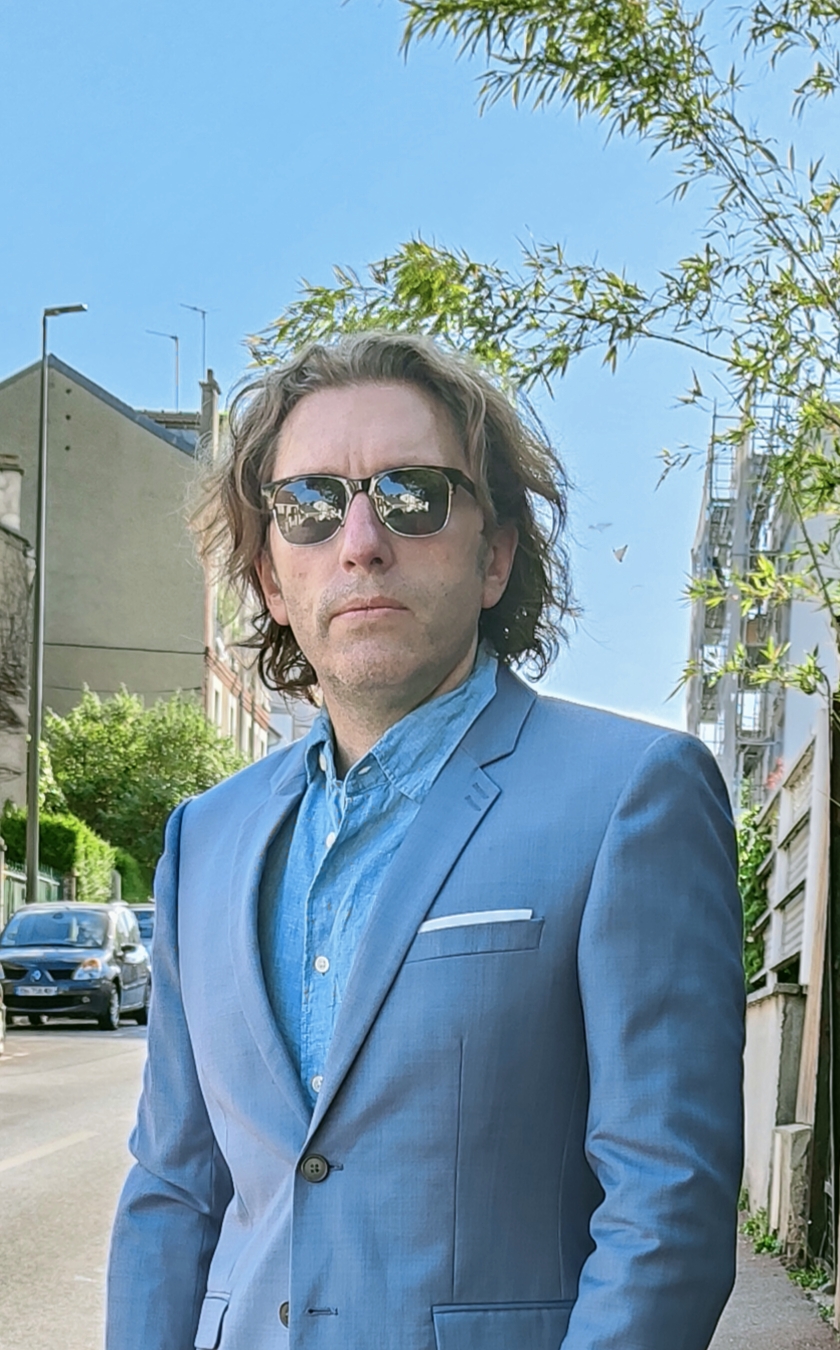
Frédéric is an artist with a rich imaginary world, who trained in New York for several years before returning to Paris. People often try to pigeonhole us: the fashion photographer, the travel photographer, the wildlife photographer, the black and white photographer or the colour specialist. Don’t try to do that with Frédéric Bourret. He is an artist and a free man, curious about everything, who ventures wherever his creativity takes him. He has exhibited in New York, Paris, Berlin, Geneva, and even Art Basel. He touches all categories, the street, the conceptual, the nude, and it suits him. Here is his interview…
Gregory Herpe: Hi Frédéric! If you were to introduce yourself briefly…
Frederic Bourret: Hello LSD, I am Frédéric Bourret, a multidisciplinary artist with a preference for photography. I like to create, to have projects, to put them into shape. What drives me is to change the universe each time in my creations.
GH: When and how did you start photography?
FB: I started photography in New York, the city lends itself enormously to it. But I wanted to have another vision of the city by photographing it very early in the morning, around 6:30/7:00. Being surrounded by very creative people who judged my work without a filter helped me to improve.
GH: What kind of images were you looking at when you started?
FB: I didn’t open any photography books until after 2/3 years of creation. I didn’t want to have too many strong influences. One of the first books I opened was a Lee Friedlander book, I love his work!
GH: What are your main influences?
FB: I can’t say I have any particular influences but I admire multiform artists.
GH: Do you consider yourself a conceptual photographer?
FB: Yes, I like to explore photography and other forms of artistic expression, even though I remain focused on photography essentially. Having always the same style of images doesn’t suit me at all. In my work, the link from one series to another is not easy to make, but it exists, I am driven by renewal each time.
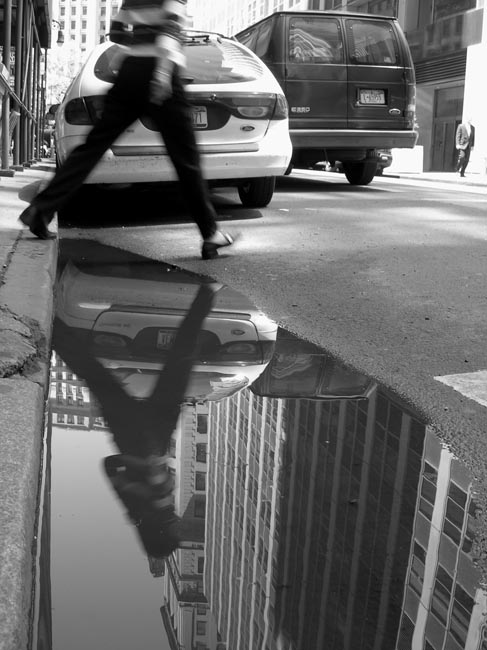
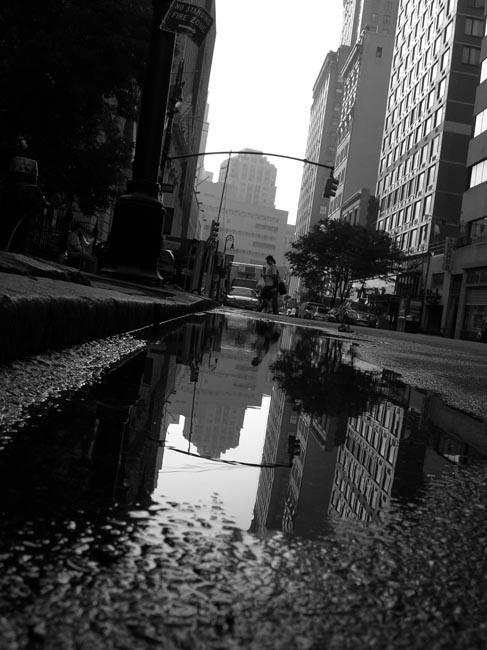
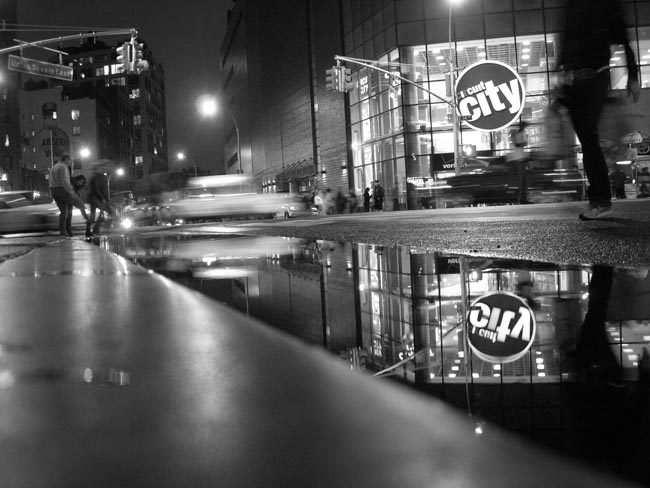
GH: Your series in New York is very graphic. You play with perspectives and lines, in black and white. What did you want to tell?
FB: My photographic eye photographed New York by its perspective, it was an instinctive approach. There is a “beautiful” madness in New York but we forget that it is above all a very geometric city. There is a kind of “crazy” orderliness.
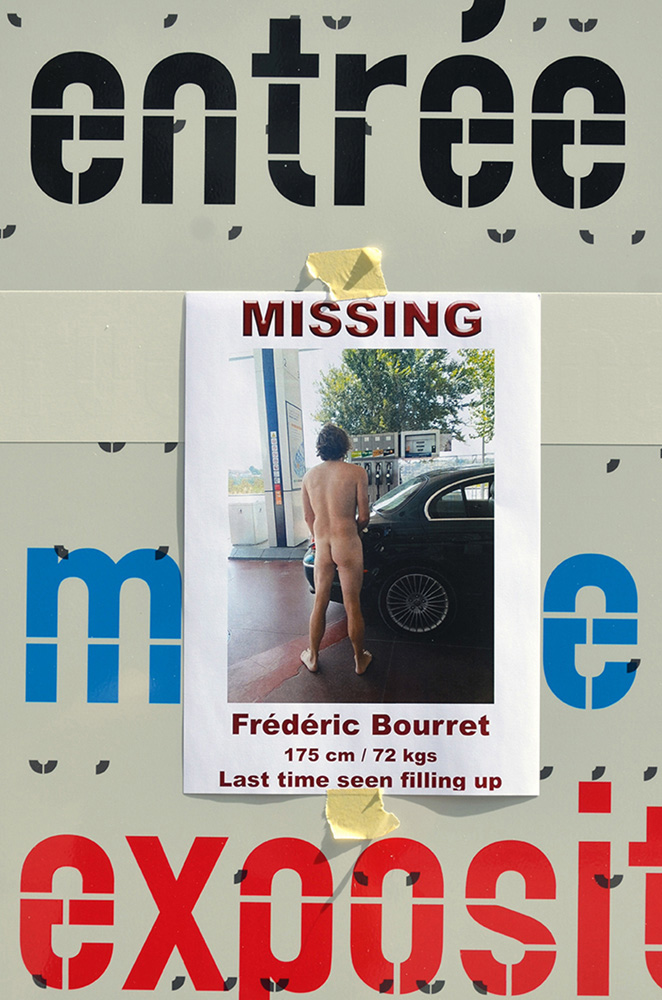
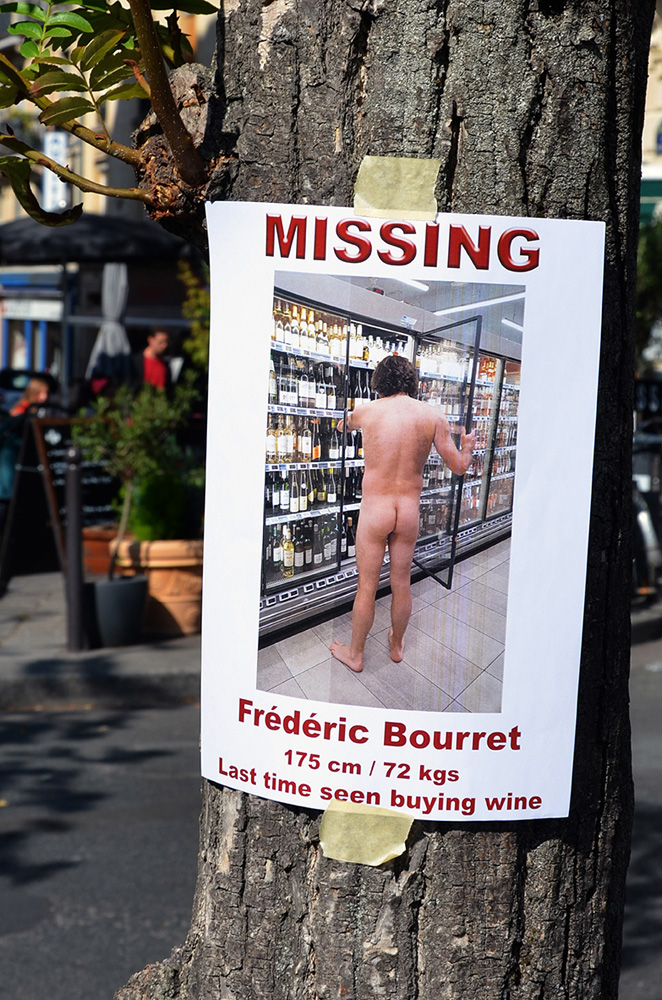
GH: On the other hand, you have made a series of nude self-portraits from the back, in colour. “Is it to prove that you have a sense of humour or are you proud of your backside?
FB: The genesis of this series was at Art Basel. I had to come up with an idea in 48 hours knowing that I couldn’t go to Basel. By depicting myself in everyday activities, free of any clothing, I underline our consumer habits which take on another dimension. It is surprising to see how simple nudity makes completely banal situations incongruous. Incongruity revealed and reinforced by the mise en abîme of the photo in the photo. The final work is a winking wanted poster. For if I am the character in the series, I am also the one being sought. Is it the artist who is looking for himself, or the world that is looking for the artist?
GH: In your work on “Schrödinger’s Train”, you talk about time passing differently depending on our place in the world. It made me think of Lewis Carroll’s Alice in Wonderland; the distortion of time, of reality, our vision of the world and of things that are so different from childhood to adulthood… Can you tell us about this?
FB: Our relationship to time and reality is quite complex. The time of the passengers is not the same as the time of those on the platform, it is a physical reality: the movement carries us away and modifies the space-time around us. In an infinitesimal way, but real. I was on the platform, camera in hand. The vision of time, which I share, is a montage of several lives, past moments, isolated frames now linked into a whole. I show time passing, repeating itself, in our daily lives. The whole thing is wrapped in crumpled paper, to reinforce its timelessness. Each window becomes a unique and imaginary case, a space frozen in time.
GH: In your series “Hidden messages”, we are finally talking about all this again! Another digression on the subjectivity of perception?
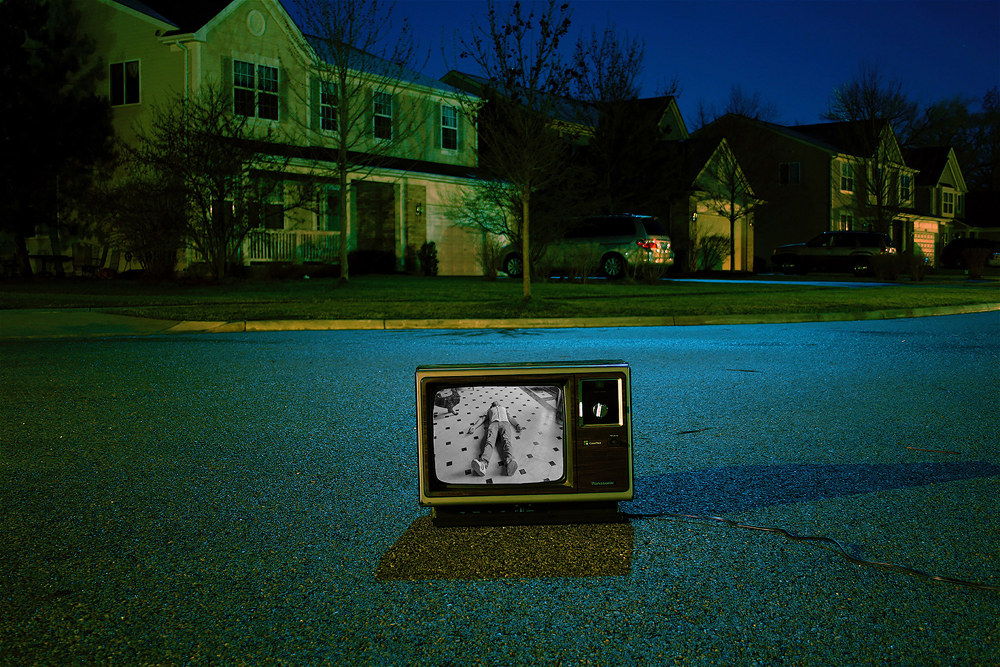
FB: I like to play with the eye of the beholder, to try to put doubt on what he thinks he sees. The whole series is based on this concept of reality which is ultimately our own perception of reality. The question I like to ask is: can the way we look at a subject we are discovering for the first time be virgin?
GH: Intention and vision are two important elements. Do you have a clear idea of the images you want or do you rely on improvisation and luck?
FB: The vision of the idea of a series in my head is always very precise and sometimes too aesthetic compared to what I can actually do. By working on it, it allows me to adapt to technical constraints and to make the project evolve but it remains 75% faithful to the original idea.
GH: What was your best photographic experience?
FB: My motivation is the outcome of a creation that can sometimes last several months or even years. When a series is completed, it is always a very enriching experience.
I like the exchange with the people who look at my work.
GH: What materials do you use and do you think it matters?
FB: I’m currently using a Nikon, but that’s not important to me. The New York series was made with a rudimentary camera, almost a disposable.
GH: Social networks have become the main promotional tool for photographers and artists in general. Do you have a particular strategy to use them in the best way?
FB: I don’t use social networks too much. My instagram is private. I prefer exhibitions for the exchange with the public rather than throwing pictures on the networks. The human element is essential
What projects are you working on that you would like to tell us about (books, exhibitions, workshops)?
I am preparing an exhibition at the Galerie D’aguesseau in Boulogne-Billancourt (just near Paris) and I am participating as a member of the jury in the caritative auction organised by the Foch Foundation, in Paris. It’s for a good cause: the next uterus transplant. An important cause for women…
Grégory Herpe
All photos are the exclusive property of © Frederic Bourret
You can find his work on his official website:
http://www.fredericbourret.com/